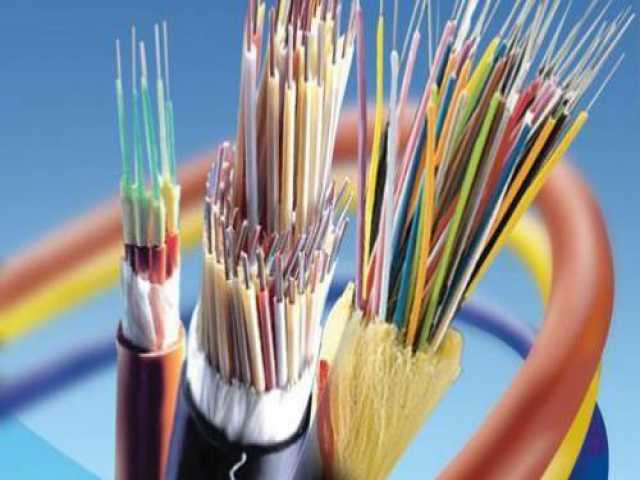
Installation, commissioning, testing and maintenance of optical fiber and networks based on it require various tools and equipment. Next, some optical fiber tools and equipment are briefly introduced:
Optical connector
An optical connector is a device used to physically connect optical fibers or cables in order to transmit optical signals between them. It provides a means of connecting and disconnecting optical fibers quickly and easily. There are several types of optical connectors available, including SC, LC, FC, ST, and MTP/MPO, each with different uses and features. The most common types of optical connectors are LC (Lucent Connector) and SC (Common Connector) due to their small size, high bandwidth and low cost. In general, optical connectors are used in various applications such as data communication, telecommunications, broadcasting, and industrial control systems, where high-speed data transmission and minimal signal loss are required.
Types of connectors
1- ST connectors:
ST (Straight Tip) connectors are cylindrical fiber optic connectors that use a bayonet base to secure the connector in place. They were first introduced in the 1980s and are widely used in multimode fiber optic communication systems.
ST connectors have a simple and straightforward design that makes them easy to install and terminate. They have a large ferrule that helps ensure accurate alignment of the fiber cores, reducing insertion loss and back reflection. The bayonet mount provides a secure connection and allows for easy installation and removal of the connector.
ST connectors are available in both single-mode and multi-mode versions and can support a variety of optical fibers, including standard single-mode fibers, graded-index multimode fibers, and large-core multimode fibers. They are compatible with a wide range of fiber optic components and are often used in building networks and data centers as well as in industrial and military applications.
As a result, ST connectors are an important component in fiber optic communication systems and have been widely used in multimode fiber applications for decades. Although largely superseded by more advanced connectors in recent years, ST connectors are still widely used in some applications and are a reliable and cost-effective solution for connecting optical fibers.
2_ FC fiber channel:
FC Fiber Channel is an optical connector that is commonly used in high-speed communication networks and industrial applications. It has a threading mechanism to lock the connector in place, providing a secure and reliable connection. FC connectors are typically round or cylindrical in shape and compact, making them ideal for use in high-density environments where space is limited.
FC connectors are known for their durability and strength, which makes them suitable for use in harsh industrial environments. They are also compatible with a wide variety of optical fiber types and can support both single-mode and multi-mode fiber. This versatility, along with their high-speed performance and reliable connectivity, make FC connectors an attractive option for many communications and industrial applications.
3_LC (Connector Latching) :
LC (Connector Latching) is a type of fiber optic connector that uses a locking mechanism to secure the connector in place. It is a small form factor (SFF) interface commonly used in high-density fiber optic communication systems, such as data center networks and Fiber Channel applications.
LC connectors have a compact design that allows for high density fiber optic cabling and easy connector installation and removal. They feature a ceramic ferrule that helps ensure accurate alignment of the fiber cores, reducing insertion loss and back reflection. The latch mechanism provides a secure connection and allows for easy installation and removal of the connector.
LC connectors are available in both single-mode and multi-mode versions and can support a variety of optical fibers, including standard single-mode fibers, graded-index multimode fibers, and large-core multimode fibers. They are compatible with a wide range of fiber optic components and are often used in building networks and data centers as well as in industrial and military applications.
As a result, LC connectors are an important component in fiber optic communication systems and provide a high-density solution for connecting optical fibers. They are widely used in data center networks and fiber channel applications due to their compact design and easy installation and removal mechanism.
4_ SC (Subscriber Connector):
SC (Subscriber Connector) is a type of fiber optic connector that uses a push pull mechanism to lock the connector in place. It is one of the most common and widely used fiber optic connectors and is used in both single-mode and multi-mode fiber applications.
SC connectors have a square shape and simple design that makes them easy to install and terminate. They feature a ceramic ferrule that helps ensure accurate alignment of the fiber cores, reducing insertion loss and back reflection. The push-pull mechanism provides a secure connection and allows for easy installation and removal of the connector.
SC connectors are available in both single-mode and multi-mode versions and can support a variety of optical fibers, including standard single-mode fibers, graded-index multimode fibers, and large-core multimode fibers. They are compatible with a wide range of fiber optic components and are often used in building networks and data centers as well as in industrial and military applications.
As a result, SC connectors are an important component in fiber optic communication systems and have been widely used for many years. They provide a reliable and cost-effective solution for connecting optical fibers and are used in a wide range of applications, including single-mode and multi-mode fiber optic systems.
5_ MTP (Multifiber Termination Push-On) connectors
MTP (Multifiber Termination Push-On) connectors are high-density fiber optic connectors used for data center and premises networks. MTP connectors are designed to support high-density applications using a compact design that allows a large number of fibers to be terminated in a small amount of space.
MTP connectors are based on the MPO (Multi-fiber Push On) standard, which specifies the mechanical and optical characteristics of multi-fiber connectors. MTP connectors are available in single-mode and multi-mode fiber versions and can support up to 12 fibers in one connector.
The MTP connector has a push mechanism that allows easy and quick connector installation and removal. It also features precision alignment that ensures low insertion loss and back reflection, resulting in reliable and efficient light signal transmission.
MTP connectors are often used in high-density fiber optic cabling systems such as 40G, 100G and 400G Ethernet networks. They are also used in data center applications, where they provide a high-density solution for connecting switches, routers, and storage devices.
As a result, MTP connectors are an important component in modern fiber optic communication systems and play an important role in supporting high-density applications and ensuring reliable and efficient transmission of light signals over optical fibers.
6_ MT-RJ (registered mechanical transfer jack)
The MT-RJ (Registered Mechanical Transmission Jack) is an optical connector that uses a unique plastic housing and small-coefficient ferrule. It is designed to provide high-density connectivity in data centers, enterprise networks, and consumer electronics.
One of the key features of the MT-RJ connector is its compact size, which allows more connectors to be installed in a given area. It also has a bi-directional design, meaning it can send and receive data over two separate optical fibers in one connector. This makes it an attractive option for use in applications where space and high-speed data transfer are both important.
Another advantage of the MT-RJ connector is its easy design. This connector has a simple push-lock mechanism that allows for quick and easy installation and disconnection. This makes it a popular choice for applications that require frequent connector changes.
Overall, the MT-RJ connector is a versatile, high-density optical connector that provides reliable connectivity and fast data transfer speeds. Its compact size, duplex design and ease of use make it a popular choice for many communications and industrial applications.
7_ DIN (Deutsches Institut für Normung)
DIN (Deutsches Institut für Normung) is a German organization that provides standards and specifications for various products and technologies. The term “DIN connector” is often used to refer to a type of fiber optic connector that has a specific mechanical and electrical interface, as specified by DIN standards.
Optical DIN connectors are commonly used in industrial and scientific applications where high-speed data transmission is required. They are usually round or rectangular in shape and have a threaded locking mechanism for secure connections. DIN optical connectors are often used in combination with other types of optical connectors to provide a high-density interface for fiber optic cables.
While the term “DIN connector” is sometimes used to refer to fiber optic connectors, it can also refer to other types of electrical connectors that follow DIN standards. These can include power connectors, data connectors and audio connectors, etc.
As a result, DIN optical connectors provide a reliable, high-speed interface for fiber optic cables and are widely used in industrial and scientific applications. The use of DIN standards ensures compatibility and interoperability between different systems and devices.
8_ FDDI (Fiber Distributed Data Interface)
FDDI (Fiber Distributed Data Interface) is a type of network technology that uses fiber optic cables to transmit data over long distances. It was developed in the 1980s and is commonly used in large-scale enterprise networks, as well as in some area networks (MANs) and storage area networks (SANs).
FDDI networks typically use a special type of optical connector, known as an FDDI connector, to connect fiber optic cables to network devices. An FDDI connector is a type of fiber optic connector that has a distinct, circular shape and uses a threading mechanism to lock the connector in place.
FDDI connectors are known for their high-speed data transfer capabilities, which was especially important in the early days of computer networking when network speeds were relatively slow. They are also known for their robustness and reliability, making them suitable for use in industrial and enterprise environments where high availability and low downtime are important considerations.
While the use of FDDI technology has declined in recent years, due to the growing popularity of Ethernet and other newer networking technologies, FDDI connectors are still used in some legacy networks and can be found in older computer equipment and devices. found the network.
9_ESCON (Enterprise Systems Connection)
ESCON (Enterprise Systems Connection) is a fiber optic connection and related technology developed by IBM. It is designed to provide high-speed, reliable data connectivity between host computers and storage devices, such as disk arrays and tape drives.
ESCON optical connectors use an LC-style duplex form factor and feature a push-lock mechanism to ensure secure connections. They are also known for their ability to support high-speed data transfer rates, which was important in the era of supercomputing, when large amounts of data needed to be moved quickly and efficiently.
ESCON connectors were widely used in central computing environments, particularly in large enterprise organizations where IBM mainframes were the dominant platform. However, as mainframes have declined in popularity in recent years, the use of ESCON connectors has become less common.
Despite this, ESCON connectors are still found on older IBM mainframes and some older storage devices. They are also sometimes used in modern enterprise networks, where the need for high-speed and reliable data connectivity between central processors and storage devices is still important.
10_ Biconic connector
The Biconic connector is an old type of fiber optic connector that was widely used in the early days of fiber optic networking. The name comes from its double-cone shape, which allows for a secure connection between the connector and the optical fiber.
The Biconic connector uses a threading mechanism to secure the connection, providing high durability and reliability. It was one of the first fiber optic connectors to be widely used and was popular due to its ease of use and relatively low cost.
Despite its initial popularity, the Biconic connector has been largely replaced by newer types of fiber optic connectors, such as SC, ST, and LC connectors, which offer higher performance and more compact designs. Biconic connectors are still found in some older network equipment and may be used in older networks that have not been upgraded to more modern technologies.
Overall, the Biconic connector is an important part of fiber optic networking history and a testament to the rapid evolution of fiber optic technology over the past few decades.
11_ MT-12 optical connector
The MT-12 fiber optic connector is a type of fiber optic connector used in high density fiber optic cabling applications. It is designed to support high-speed data transmission and is optimized for use in dense wavelength division multiplexing (DWDM) networks, where multiple optical signals are transmitted simultaneously over a single fiber.
The MT-12 connector is a large form factor pluggable (LFP) connector that can support up to 12 fibers in one connector, making it an efficient and cost-effective solution for high-density fiber optic cabling. slow This connector has a compact design and a high level of reliability that makes it suitable for use in data centers and enterprise network environments.
Overall, the MT-12 optical connector is an important part of the evolution of fiber optic connectivity, providing a high-density, high-performance solution for data centers and enterprise networks.
12_ SMA 905 optical connector
The SMA 905 optical connector is a type of fiber optic connector used in high-speed data transmission applications. It gets its name because of its SMA (SubMiniature) form, which is characterized by a compact size and a threaded mechanism to secure the connection.
SMA 905 connector is used in various applications including telecommunication, data communication and industrial automation. It is known for its high performance and reliability, making it suitable for use in environments where high-speed data transfer and low downtime are important considerations.
The SMA 905 connector has a 9.0mm diameter ferrule, which is larger than other SMA connectors such as the SMA 508 and SMA 635 connectors. This larger ferrule size allows for improved optical performance, especially in applications where high-speed data transfer rates are required.
Overall, the SMA 905 optical connector is an important part of the evolution of fiber optic connectivity, providing a high-performance and reliable solution for a variety of high-speed data transmission applications.
OTDR device
OTDR device (Optical Time Domain Reflectometer) is used to measure light reflection in different time domains. OTDR testing is also done using this device to diagnose laser networks and ensure that they are healthy. For example, an OTDR device sends optical pulses into a fiber optic network. After receiving and measuring these pulses at the end of the cable, you can find out the condition of the cable and its integrity.
Optical fiber fusion device (Fusion Splicer)
Fusion is a new technology used to create a connection between two fiber optic cables. Sometimes this technology is also called optical fiber welding. In fiber optic fusion, cables are fused together using heat. The job of the fiber optic fusion device is to generate heat for this purpose.
Fiber Optic Pen (VFL)
The term VFL stands for Visual Fault Locator, which means fiber optic pen. Fiber optic pen is one of the testing tools in fiber optic networks. In optical fiber networks, this pen is used to track the laser light in its path of movement in the optical fiber cable and its connections.
Optical Light Source
An optical source or light source is a device used for some troubleshooting in optical fiber networks. The light source uses electromagnetic waves to detect some defects in the optical fiber network, such as breaks and small distortions (which usually occur during the manufacturing process).
power meter (OLM)
Power meter or OLM (Optical Power Meter) measures the strength of optical signals and the power of the equipment used in the optical fiber network.
Network Tester
The tester or network tester tests the length of the cable as well as the failure and disconnection of the connection, the location of the fault, the state of health and the noise of the cable.
Fiber Optic Cleaver
A fiber optic cleaver cuts the fiber optic strands at 90 degrees to prepare them for fusion testing. For this purpose, the optical fiber is cut at 90 degrees after removing its sheath (clad) by a cleaver. After that, such a cable can be welded to another cable with a fusion device.
It should be mentioned that other tools are also used to create, set up, troubleshoot and maintain optical fiber networks. Cable cutters, fiber optic scissors, fiber optic connector cleaners, patch panels, and socket wrenches are among them.
Optical fiber generations
Fiber optic development has taken place over several generations. The first generation of optical fiber was formed in the 1970s, and the continuation of developments in this field led to the emergence of the second, third, fourth and fifth generation of optical fibers.
The first generation of optical fiber communication system
After a period of research that started in 1975, the first optical fiber communication system was developed. This system worked with a wavelength of about 0.8 micrometers and with a gallium arsenide semiconductor laser. The data transmission rate with the first generation optical fiber was 45 Mbps if a repeater (amplifier) was used at distances up to 10 km. On April 22, 1977, General Telephone and Electronics Company sent the first live telephone traffic over fiber optic at 6 Mbps in Long Beach, California.
The second generation of optical fiber communication system
The second generation of commercial fiber optic communications was developed in the early 1980s. This system worked with a wavelength of 1.3 micrometers and with an “indium gallium arsenide” semiconductor laser. The early systems of the second generation, because they worked with multimode optical fibers, faced the problem of light scattering. In 1981, single-mode optical fiber was introduced, and as a result, the efficiency of this system was significantly improved. But it was difficult to make connectors that could actually work with single-mode fiber. The Canadian company SaskTel has completed the construction of the longest commercial fiber optic network of its time consisting of 3268 km of fiber optic cables. Until 1987, these systems could transmit up to 1.7 gigabits of data at distances of up to 50 kilometers if repeaters were used.
The third generation of optical fiber systems
The third generation of optical fiber systems worked with a wavelength of 1.55 µm and its signal attenuation rate was about 0.2 dB/KM. The development of the third generation of optical fiber systems was accelerated by the discovery of the material “indium gallium arsenide” and the development of “indium gallium arsenide” photodiodes by Pearsall. Engineers overcame the initial problems of pulse-spreading at that wavelength by using an indium gallium arsenide phosphide semiconductor laser. The findings of the scientists finally made the third generation commercial optical fiber systems to transmit data at a rate of 2.5 gigabits per second in distances of 100 kilometers if a repeater is used.
The fourth generation of optical fiber communication systems
The fourth generation of optical fiber communication systems uses optical amplification to increase data transmission capacity to reduce the need for repeaters and wavelength-division multiplexing (WDM) technology. With these two important changes, the capacity of the fourth generation systems doubled every six months from the beginning of 1992 to 2001, and as a result, the data transfer rate increased to 10 terabits per second.
The fifth generation of fiber optic communications
The fifth generation of optical fiber communication systems is focused on increasing the wavelength range over which WDN-based systems operate. The conventional wavelength window, known as C-band, covers the wavelength range of 1.53 to 1.57 µm. Dry fiber has a so-called low-loss window that expands the mentioned wavelength range to 1.30 to 1.65 micrometers. Among other things that were raised in the fifth generation of optical fiber systems is the concept of optical solitons (isolated self-amplifying optical waves); That is, pulses that maintain their shape by neutralizing the effects of light dispersion.