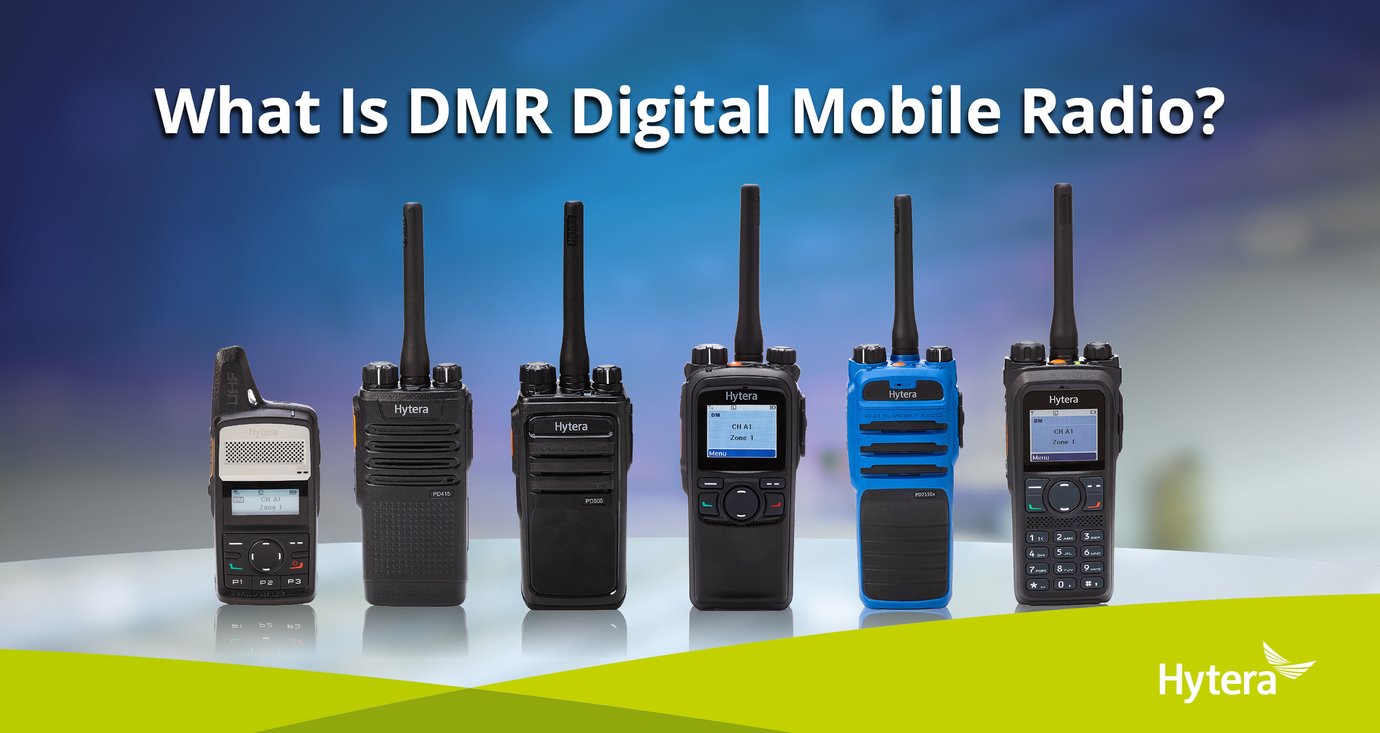
DMR technology or (Digital mobile radio) is an international standard for radio equipment developed by the European Telecommunications Standards Institute (ETSI) and first approved in 2005. More than a decade ago, radio system vendors and users realized that existing analog trunking standards needed to be modified and adapted to modern techniques to provide:
Improved sound quality
Advanced features such as location information
Improved security (ie authentication and encryption)
Improving efficiency and channel capacity (2 TDMA slots)
Currently, the world’s major manufacturers, including Motorola and Hytera, etc., use this technology in their products. In the DMR standard, TDMA access is used to increase the channel capacity. TDMA stands for Time Division Multiple Access, and two logical channels with a width of It creates a 12.5 kHz band, which provides simultaneous and uninterrupted conversation with twice the previous capacity in the same channel space in a timed manner (30 milliseconds) and by using human hearing impairment.
NexEdge is also a digital format used by manufacturers such as Icom and Kenwood, in which, unlike the DMR standard, to increase capacity, the channel bandwidth has been reduced and divided into two independent channels with a bandwidth of 6.25 , that this method can also have weaknesses in data transmission.